Mar 4, 2026






In collaboration with our colleagues from Monir Precision Monitoring, we present reasons why even the most advanced automated monitoring systems can only perform as well as their installation.
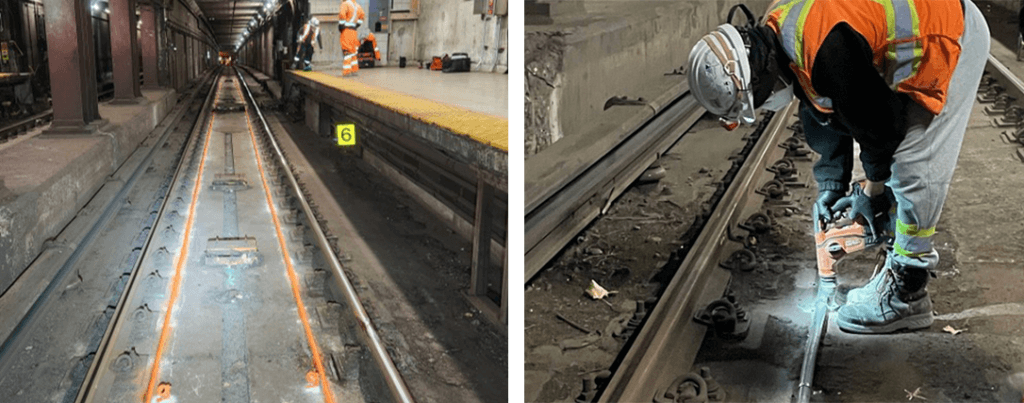
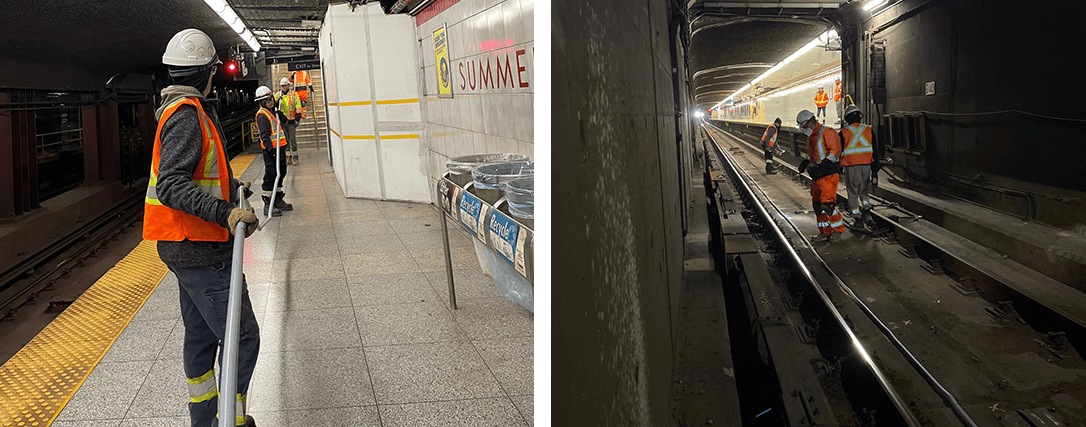
Automated monitoring is becoming increasingly common on projects with little room for error, particularly on sites with constrained access or construction near sensitive structures. While the technology behind automated monitoring is well proven, data quality in the field can still suffer. In most cases, this isn’t due to the equipment itself, but rather gaps in installation, coordination, and commissioning.
As the industry’s reliance on automated systems grows, it is more important than ever to recognise that the value of the data depends entirely on how the system is installed. Even the most advanced monitoring technology can underperform if installation is rushed, poorly coordinated, or completed without a clear understanding of the intended monitoring outcomes.
Hardware is just the starting point. Sensors don’t generate meaningful insight on their own; their installation dictates whether they capture true structural or ground behaviour, or simply noise. Poor mounting, misalignment, inadequate protection, or rushed commissioning can compromise even the highest‑quality instruments. A properly installed system reflects engineering intent, withstands the realities of an active construction site, and produces data that can be confidently used for decision‑making.
Based on field experience, here are six practical tips to ensure your installation goes smoothly and the monitoring outcomes are reliable.
1. Plan your installation
Do as much preparation as possible before arriving on site. Visit the site, walk access routes, and plan instrument locations and logistics. Identify potential issues early and communicate the plan clearly so all stakeholders understand roles and responsibilities.
2. Work with the right supplier
A communicative supplier is a good supplier. Partner with teams, like Measurand, who understand the installation process, respond quickly in the field, and invest in the success of the monitoring program rather than just the sale of equipment.
3. Bring the right equipment
Using the correct tools for the specific instruments and site conditions makes a meaningful difference. The right equipment improves efficiency, reduces risk, and helps avoid unnecessary delays or rework.
4. Establish a solid baseline
Install instruments and collect baseline readings before construction begins. High-quality baseline data is essential for meaningful comparisons and confident interpretation of future movement.
5. Document everything
While on site, take photos, record notes, and confirm installation details. Strong documentation protects your work, supports long-term analysis, and simplifies reporting and handovers.
6. Hire the right monitoring company
Experience matters. Ensure the team installing and managing instruments has proven expertise with the specific monitoring technology. Automated monitoring is not the place for on-the-job training; data reliability depends on experienced practitioners.
In the end, good data starts long before the first reading. It comes from careful installation, strong coordination, trusted supplier partnerships, and experienced field personnel.
Samantha Over
Monir Precision Monitoring Inc.
[email protected]